May 20, 2023 | Uncategorized
About How I met my Momlife

Dec 18, 2022 | Uncategorized
Many women and even more men have little knowledge of where their pelvic floor is located and what functions it performs. For women, pregnancy often leads them to address their pelvic floor. Others come across the topic for the first time when complaints such as faecal or urinary incontinence arise. A
targeted training
for example with the
PelvicTool pelvic floor trainer
can strengthen the pelvic floor muscles and prevent such complaints.
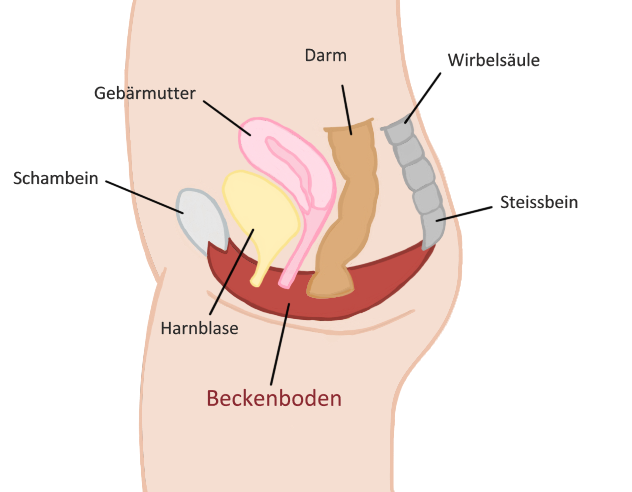
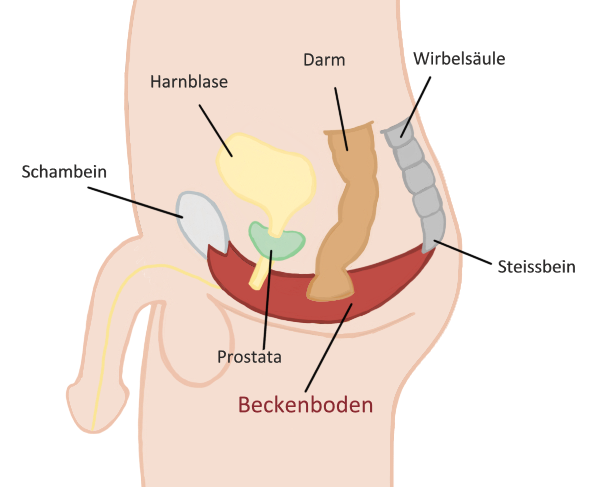
Position and function of the pelvic floor
The pelvic floor consists of various muscles as well as connective tissue and forms the floor of the pelvic outlet. It helps to keep the internal organs in position and stabilize the posture. In addition, it plays an important role in ensuring that the bladder and rectum can be emptied in a controlled manner. A good pelvic floor musculature can also withstand a large increase in pressure in the abdominal cavity. For example, the pelvic floor can also keep the bladder and bowels closed when coughing or sneezing. It also fulfils important functions in sexuality, potency and pregnancy.
Challenges for the pelvic floor in women
Pregnancy and childbirth represent a particular challenge for the pelvic floor in women. During pregnancy there is a lot of pressure on the pelvic floor, which also becomes softer due to hormones. A greater risk is during childbirth, through which the pelvic floor can suffer injuries and dysfunction. This can lead to fecal or urinary incontinence, lowering of the uterus, bowel and bladder, and pain during sexual intercourse.
In addition to pregnancy and childbirth, there are other risk factors that can weaken the pelvic floor and cause such symptoms. These include pelvic surgeries, improper strains such as lifting heavy objects, poor posture, and obesity. Furthermore, menopause can negatively affect the condition of the pelvic floor due to hormonal changes.
Strengthening the pelvic floor muscles also useful for men
In men, poor posture, obesity and similar factors are also possible causes of weakened pelvic floor muscles. In particular, however, changes in the prostate such as benign prostate enlargement as well as prostate surgery can lead to the need for targeted strengthening of the pelvic floor muscles.
Pelvic floor training can then reduce or even prevent complaints such as incontinence. Similarly, stronger pelvic floor muscles can have a positive effect on erectile dysfunction.
Feel and train the pelvic floor muscles
Regardless of age and gender, you should exercise your pelvic floor muscles regularly to strengthen them and improve neuro-muscular control. In this way you can prevent complaints such as incontinence.
Various methods are available to you for this purpose. However, since not everyone feels their pelvic floor before starting to exercise, specially designed equipment can make pelvic floor training easier. The
PelvicTool pelvic floor training device
works according to the so-called biofeedback method. It measures pressure changes caused by tension and relaxation of the pelvic floor muscles.
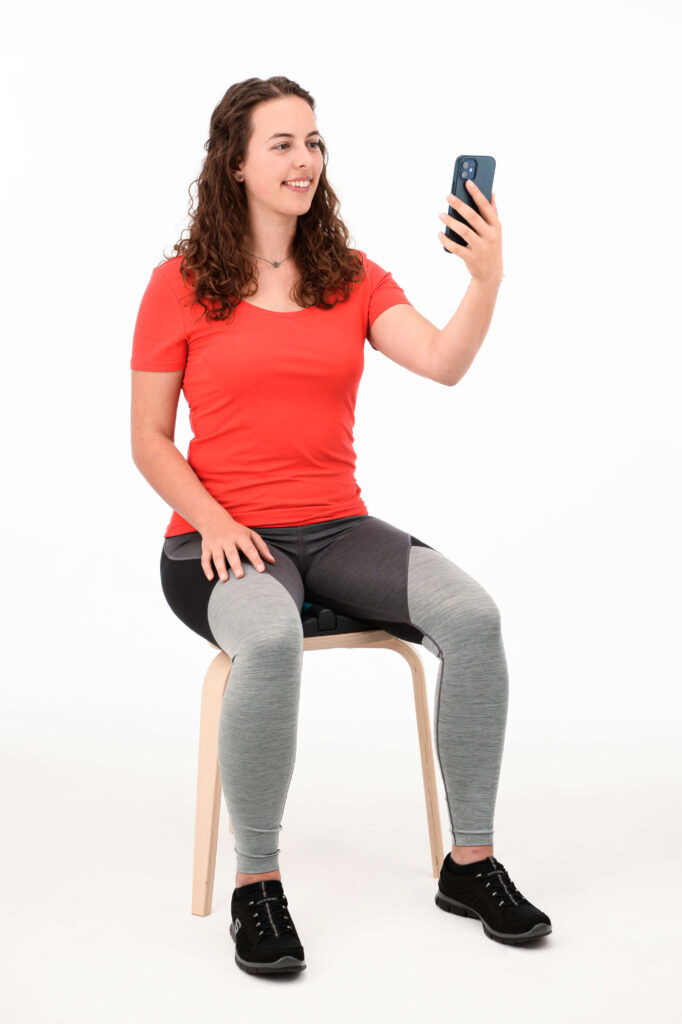
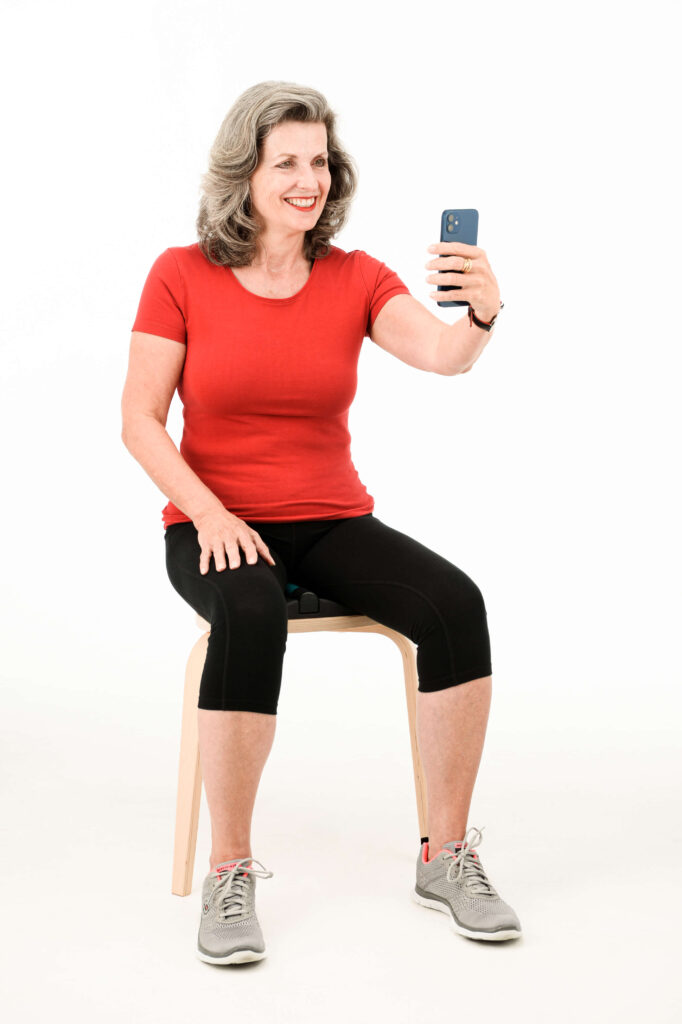
You can connect your smartphone or tablet to the PelvicTool and use the associated app to track the movements of your pelvic floor. In any case, it is advisable to have a specialist accompany you during pelvic floor training, at least in the beginning. The PelvicTool is equally suitable for women and men. The sensor does not have to be inserted vaginally or rectally as with some other pelvic floor training devices. You can simply sit on it in sportswear and start pelvic floor training.

Dec 15, 2021 | Uncategorized
Fecal incontinence is common, especially in old age, but no one likes to talk about it. It is estimated that 8 – 9 percent of the population suffers from faecal retention disorders. An essential element of stool control is the pelvic floor muscles, the functioning of which can be specifically improved with pelvic floor training. Pelvic floor training devices like the innovative one
PelvicTool
from Alonea are a great help.
What is fecal incontinence?
We are used to determining for ourselves when and where we pass our urine and stool. Stool retention or stool continence is a complex process in which
- Condition of the chair,
- Function of the rectum as a reservoir,
- surrounding pelvic floor muscles and
- their sensory and motor innervation
play an essential role.
Fecal incontinence is a disorder of retention – intestinal wind, fluid, mucus or stool leak from the anus, from a minor mishap when coughing to a complete loss of control. The consequence is a considerable impairment of the quality of life.
How common is fecal incontinence?
Taboo subject faecal incontinence: Studies assume a frequency of 8 – 9 percent, some even of up to 18 percent, with a clear increase with age. In the U.S., 30 percent of those affected are over the age of 65, 63 percent of whom are women and 37 percent of whom are men.
What are the causes of fecal incontinence?
Numerous factors can cause fecal incontinence:
- Damage to the sphincter
- Prolapse of the rectum
- Operations on the rectum and sphincter (intestinal fistulas, haemorrhoids)
- perineal laceration
- Chronic diarrhea
- Chronic inflammatory bowel diseases(Crohn’s disease, ulcerative colitis)
- Food intolerances (gluten allergy, lactose intolerance)
- Resection of parts of the intestine (colon cancer)
- Chronic constipation
- insufficient drinking
- “paradoxical defecation” with increased mucus formation
- Pelvic floor insufficiency
- Overload due to excess weight (obesity)
- Weakening due to prolapse of the uterus (uterine prolapse), prolapse of the intestine (rectocele) or prolapse of the bladder (cystocele)
- congenital malformations of the anus and rectum
- Nerve damage in the pelvic floor
- vaginal deliveries
- Herniated disc
- traumatic injuries (pelvic fracture)
- Neuropathies (diabetes, radiation, chemotherapy)
- Stroke
- multiple sclerosis
- Alzheimer’s disease and other forms of dementia
- radical tumor operations for cancer
What is the role of the pelvic floor muscles?
The pelvic floor consists of tendons, ligaments and pelvic floor muscles. It forms the rear closure of the abdominal cavity and closes the opening in the pelvic bone girdle. As an umbrella-like structure, it holds the adjacent organs in place. At the same time, the pelvic floor muscles are important for the function of the bowel and urogenital tract: emptying the rectum and urinary bladder, sex and childbirth.
Where the bowel, urethra and uterus break through the pelvic floor muscles are their natural weak points. Already as a baby we learn to control the emptying of the bladder and bowels. If there are problems with urinary or faecal incontinence in old age, this early pelvic floor training can be taken up again.
What can be done about fecal incontinence?
As a first important measure against fecal incontinence, most doctors recommend pelvic floor training with a pelvic floor training device. Many patients can be helped in this way without the need for treatment with medication or surgical intervention.
How does pelvic floor training help with bowel control?
Everyone knows where the biceps are or what well-trained abs look like, but hardly anyone knows about the pelvic floor muscles. The former can be trained in the gym, the pelvic floor with a special pelvic floor training device. It helps strengthen targeted muscles like the levator ani muscle, which are important for bowel control.
The advantages of the PelvicTool pelvic floor trainer
A modern app-controlled pelvic floor training device like the PelvicTool by Alonea makes the exercises much easier. Classic pelvic floor trainers were primarily intended for women, had to be inserted anally or vaginally and had no possibility of control. In contrast, the PelvicTool can be operated with a smartphone or tablet and is also suitable for men, as it is intimate-free.
You can sit on the pelvic floor training device with light training clothing and use it immediately. The neuromuscular control of the pelvic floor can be tracked on the screen – it couldn’t be easier! In physiotherapy it is no problem to perform the muscle training with several patients at the same time and at home the pelvic floor training can be done without any special effort.
Sources, links and further literature

Jul 13, 2021 | health insurance
As a Primeo supplementary insurance policyholder, you gain access to innovative medical diagnostic and treatment methods.
From now on, the Pelvic Floor Trainer PelvicTool Home & Sport has also been added to the list of medical products supported by Helsana with cost participation.
The PelvicTool Home & Sport enables non-invasive and personalized remote/home training of the pelvic floor muscles and helps prevent potential conditions such as incontinence, bladder weakness, or even postural issues.
The health insurance provider Helsana reimburses 90% of the costs when purchasing a PelvicTool Home & Sport!
As a Helsana-insured person, you receive a *10 % discount on the purchase of a PelvicTool Home & Sport. This offer is also valid for non-PRIMEO insured persons (self-payers).
Alonea AG is a partner company of Helsana Health Insurance, therefore you also benefit as a non-PRIMEO supplementary insured (self-payer) from the *10 % special discount when purchasing PelvicTool Home & Sport in the Alonea webshop. For more information, please read the instructions below.
Instructions Application for cost sharing for Helsana health insurance policyholders with supplementary insurance “PRIMEO” (reimbursement 90 % of the costs):
First of all, please check with Helsana whether you have the «PRIMEO» supplementary insurance, thanks to which you receive a cost contribution when you purchase a PelvicTool pelvic floor trainer. If you do not have PRIMEO insurance, you cannot apply for reimbursement, but as a Helsana-insured person you will still receive a 10 % special discount on the purchase of a PelvicTool, using the code mentioned below.
Order the PelvicTool Home & Sport in our webshop:
Pelvic Floor Trainer PelvicTool Home & Sport | Alonea.
As a Helsana policyholder, you benefit from a **one-time 10% discount** on the retail price of the PelvicTool Home & Sport (*The 10% discount also applies to Helsana policyholders without PRIMEO (self-payers)).
To redeem the discount, enter the **voucher code** “**HELSANA_PELVICTOOL_10%**” in the “CODE” field on the **”Review your shopping cart”** page and then click the turquoise **”APPLY DISCOUNT CODE”** button.
You will then see that the **10% discount** has been deducted from the total price in your shopping cart. Next, proceed by clicking **”CHECKOUT”**.
Fill in your delivery address details. In the **”Comments”** field, please enter your Helsana customer number. Then, review your order, select your payment method, and click **”PLACE ORDER”**.
- The PelvicTool is delivered to your home.
- The invoice from Alonea AG is enclosed in the package. You no longer need to pay this invoice, as you have already paid for the product when ordering it in the webshop.
- In order for Helsana to accept the invoice for PRIMEO insured persons, you must now write the following details on it by hand: Your insurance number, your date of birth and the code for the PelvicTool Home & Sport: (H03.500.56).
- Submit the invoice to Helsana Insurance for cost sharing.
*The limited-time special discount of 10% on the retail price of the PelvicTool Home & Sport also applies to non-PRIMEO policyholders. The discount code can only be redeemed in the Alonea AG webshop, is valid until 31.12.2026, and cannot be combined with other promotions.
You can find more info on the Helsana health insurance website – you will find the PelvicTool in the sectio «Weitere Untersuchungen und Produkte», at «medizinische Produkte».

May 20, 2021 | Uncategorized
You are attending the Swiss Midwifery Congress of May 24/25 and would like to get to know our PelvicTool Home & Sport, pelvic floor training device? We are looking forward to meeting you!
We would be happy to show you possible settings of the PelvicTool app, and the use of the pelvic floor trainer live on site.
About BeBo® Verlag & Training GmbH
With more than 25 years of experience, BeBo® is the leading provider of education and training for professionals in training and therapy who wish to further their education in the field of pelvic floor training. In addition, BeBo® offers a variety of pelvic floor courses as well as individual training and has a wide range of shops on the subject of the pelvic floor. More info…
Organiser of the Swiss Congress of Midwives:
Schweizerischer Hebammenverband SHV
Venue:
Forum Fribourg, Rte du Lac 12, 1763 Granges-Paccot
Here you will find information on the Swiss Congress of Midwives…