Marie Baunach-Schicker, physiotherapist and managing director of the Physio Praxis Baunach-Schicker in Mainz-Kostheim, Germany, uses the PelvicTool in her daily work with children. In her review, she describes how biofeedback training helps children develop conscious awareness of their pelvic floor muscles and learn to control them in a playful way – even in complex cases such as incontinence and muscle hypotonia.
“We use the PelvicTool in pediatric therapy as a valuable addition to treatment. For children between approximately three and seven years of age, it can be effectively used with the “FREE MODE” training program to provide the therapist with clear visual feedback on the child’s pelvic floor muscle activation. From around the age of seven, the tool is also well suited for independent practice. The playful setting helps keep children motivated and supports them in developing a better understanding of their bodies and more targeted awareness.”
What is the Alonea PelvicTool and how does it work?
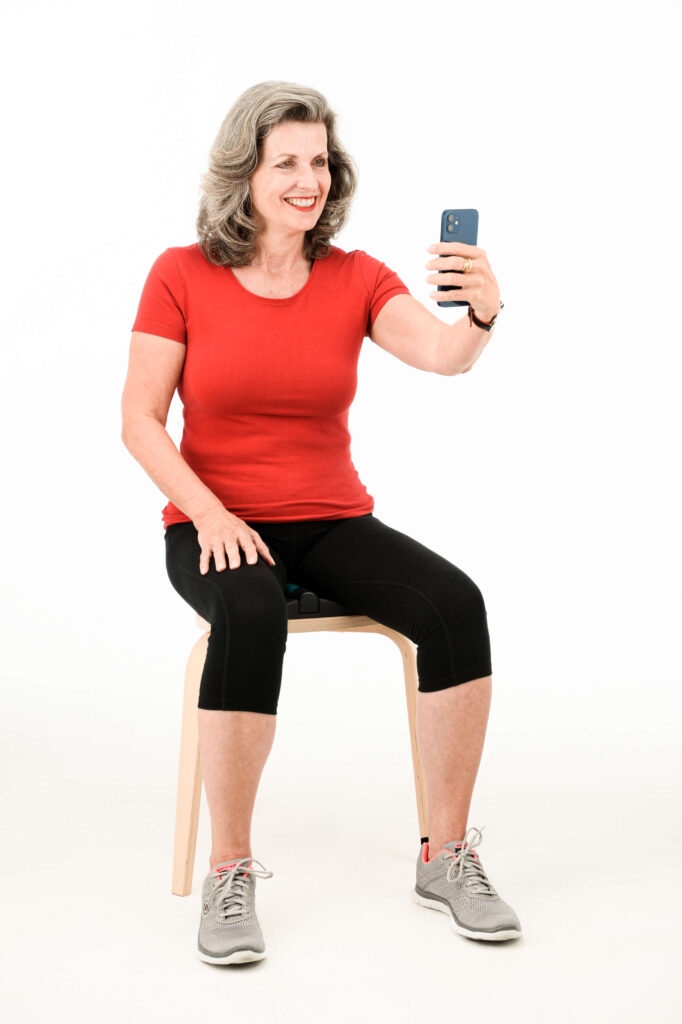
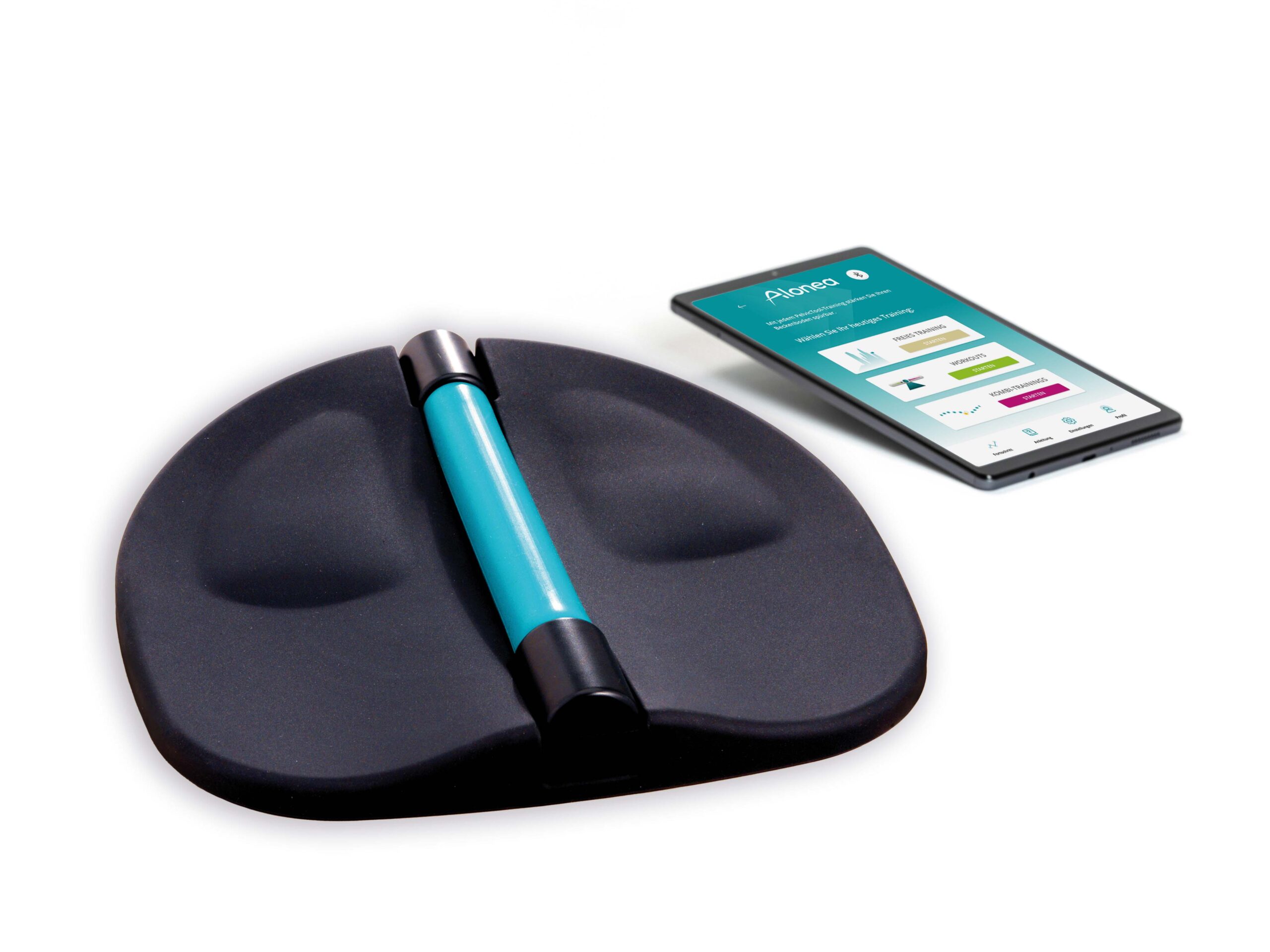
The PelvicTool by Alonea is a non-invasive biofeedback training device for the pelvic floor. It consists of a seat cushion with a soft sensor tube and an app with playful exercises. Training is performed while seated and fully clothed. The PelvicTool app provides real-time feedback on whether the pelvic floor muscles are being correctly contracted or relaxed. This immediate visual feedback can be particularly valuable for children, as the pelvic floor is not visible from the outside.
As the training is non-invasive and performed fully clothed, the PelvicTool is suitable for all age groups and genders – therapists use it with both children and adult women and men.
Review on the use of the PelvicTool in clinical practice
In the following report, Ms. Baunach-Schicker, MA Physiotherapist and managing director of the Physio Praxis Baunach-Schicker, describes the use of the Alonea PelvicTool in daily clinical practice: “In our daily work with children, the AloneaPelvicTool supports us as a valuable tool for promoting body awareness and supporting pelvic floor function. The option of neuromuscular training using biofeedback is particularly helpful, as it shows children in a simple and playful way whether they are correctly activating their muscles.
Example from practice 1: seven-year-old child with incontinence
An example from our practice involves a seven-year-old child with incontinence who initially had very little conscious awareness of their pelvic floor. Despite being motivated and cooperative, it was difficult for the child to specifically activate the correct muscle groups, as compensation through the abdomen and gluteal muscles was predominant.
By using the PelvicTool, these patterns could be made visible and gradually addressed. The biofeedback provided immediate feedback to the child on whether the correct muscles were being activated, which supported the learning process.
After a few weeks, episodes of involuntary urinary leakage occurred less frequently. The child gained more confidence in everyday life, and self-confidence improved noticeably. Motivation to continue therapy was supported by the PelvicTool’s visual and playful elements, as well as the child’s desire to achieve higher scores in the games.
Example from practice 2: three-year-old child with muscle hypotonia
Another example is a three-year-old child with pronounced muscle hypotonia who had difficulty stabilizing their core. Sitting on the PelvicTool provided the child, the therapist, and the parents with clear and easy-to-understand feedback on the center of gravity and pelvic floor activity.
Through short and varied training sessions, it was possible to improve body awareness and introduce the child in a playful way to the targeted activation of the deep muscles. The exercises were later transferred into everyday life, contributing to improved posture and more stable movement patterns.
Personal conclusion by Ms. Baunach-Schicker
“Our experience shows that the Alonea PelvicTool can make it easier for children to engage with pelvic floor training, reduce initial barriers, and is generally enjoyable to use. The combination of professional guidance in therapy and independent training at home can support progress and help create a foundation for long-term improvements.”
Complementary to therapy: PelvicTool also available for home use
Children and adolescents with functional disorders in the pelvic region should be supported through therapy. Regular practice at home is important for training progress and can be carried out at home following guidance from a physiotherapist or urotherapist. At the request of therapists and parents, selected distribution partners offer the PelvicTool for monthly rental: Switzerland: Parsenn Produkte AG, Küblis Tel. 081 300 33 33, parsenn-produkte.ch
Social withdrawal and massive impairment of quality of life are often the sad consequences of urinary incontinence. Many patients with uncontrollable urine leakage no longer dare to talk to people, and the topic is also unpleasant for doctors. Yet in many cases the discomfort of urination can be alleviated with a pelvic floor training device, because the pelvic floor plays an important role in many forms of bladder weakness.
What is urinary incontinence?
Urinary incontinence is defined as the inability to control the time and place of urination. What we take for granted from childhood becomes increasingly difficult or impossible with age and various diseases. The forms of bladder weakness range from a slight dribble during physical exertion or sneezing to a complete loss of control over the sphincter muscle.
How common is bladder weakness?
Predominant causes of urinary incontinence are age-related changes in the pelvic floor muscles and urogenital tract. In women, the percentage increases with age and number of births; the average is 6-10 percent. Older men often suffer from prostate enlargement (benign prostatic hyperplasia, BPH): while urinary incontinence still occurs in 11 percent of those aged 45-65, the figure is already 32 percent in those over 80.
What forms of urinary incontinence are there?
Doctors distinguish between several types of urinary incontinence, depending on the symptoms and causes. The most important of these are explained below.
Stress incontinence occurs with even the slightest physical exertion: Walking, lifting, sneezing, coughing, laughing. Men and women suffer equally from this form of urinary incontinence. In the former, prostate enlargement and prostate surgery are the main causes, while women often suffer from weakened pelvic floor muscles after the strain of childbirth and hormonal changes after menopause. The outdated and inaccurate term stress incontinence is hardly ever used in professional circles.
Attention hold-up! If you suddenly feel an irrepressible urge to urinate from one moment to the next, this is called urge incontinence. Bladder infections are the most common reason in women, especially since they occur particularly frequently thanks to the short urethra. In both sexes, unstable bladder muscles, neurological diseases or bladder tumors can also be responsible for urge incontinence.
Mixed incontinence is when a combination of urge incontinence and stress incontinence is present. It is particularly common in men who have undergone prostate surgery, which affects the urethra and sphincter. As with pure urge incontinence, a diagnostic clarification of the cause is absolutely necessary.
In overflow continence urine automatically passes when the bladder is full, without the patient having any influence over it. The most common causes are weak bladder or pelvic floor muscles or a blockage of the urethra. In older men, this is mainly due to prostate enlargement. Otherwise, nerve damage due to diabetes affects the muscles, or tumors, strictures and bladder stones block the urinary tract.
Extraurethral means outside the urethra, extraurethral incontinence means that urine drains through unanticipated pathways. Causes include congenital defects of the urethra or ureter that manifest in childhood, or secondary damage, such as the formation of fistulas between the bladder or ureter and the bowel or vagina. Such detours can only be corrected by surgery; pelvic floor training can only support rehab.
In reflex incontinence, nerve impulses trigger reflex emptying of the urinary bladder. The patient cannot control this process, often the patient is not even aware of the urge to urinate. The injury to the nerve pathways involved is located in the spinal cord (spinal reflex incontinence; spina = spinal cord) or in the brain (supraspinal reflex incontinence; supraspinal = above the spinal cord). The most common causes of spinal reflex incontinence are spinal cord injuries, paraplegia and multiple sclerosis; for supraspinal reflex incontinence, dementia, Parkinson’s disease and stroke. Pelvic floor training reaches its limits here; an indwelling catheter or bladder pacemaker are used instead.
Pelvic floor training has proven effective for the most common forms of urinary incontinence: stress incontinence, stress incontinence and their mixed forms. These account for over 90 percent of cases of bladder weakness. A special pelvic floor training device makes daily exercises easier.
Modern pelvic floor trainers such as the PelvicTool from Alonea are considered particularly innovative. Sit on the device in normal sportswear and track your workout on your cell phone or tablet with the accompanying app. The highly sensitive sensors show which muscles you are currently tensing – there’s no better way to visualize your exercise success. Finally being able to exercise again when you really want to secures a greater deal of quality of life.
As a Swiss medtech company, Alonea is committed to making pelvic floor training more understandable, accessible and motivating. With the Alonea PelvicTool, we offer a non-invasive biofeedback training device that helps users actively train their pelvic floor muscles while seeing their contraction and relaxation in real time through the app.
What is NAFC?
The National Association for Continence (NAFC) is a US-based non-profit organisation dedicated to improving the quality of life of people affected by incontinence, bladder and bowel conditions, voiding dysfunction and related pelvic floor disorders.
NAFCs Mission
The National Association for Continence seeks to destigmatize incontinence, promote prevention, motivate patients to seek treatment and advocate for those who are affected by these conditions. The organization believes firmly that there is No Shame in Being Human™ and that everyone should have the confidence to seek the help they need, whether patients or caregivers.
Who NAFC serves
NAFC offers support to all individuals touched by incontinence. Their vast educational content supports patients and caregivers living with incontinence and provides them with information on the range of incontinence conditions and management options.
Why NAFC is so important to the incontinence community
As the oldest and largest non-profit association dedicated to helping those with pelvic health and incontinence conditions, NAFC has become a leading source of public education and advocacy for the causes, prevention, diagnosis, treatment and management of incontinence.
For nearly four decades, NAFC has served as a key destination for those seeking information or support when dealing with incontinence, and they have created an active, engaged community of medical and industry professionals who support them. NAFC’s website, NAFC.org, is recognized nationally as an essential resource for trustworthy health information. It provides up-to-date, medically accurate content, with a broad range of news, health tips, resources and extensive coverage of dozens of health topics.
More than 250,000 visitors come to NAFC.org each month, in large part because the organization fosters an active, engaged online community. NAFC’s BHealth Facebook site encourages greater engagement with bladder issues while minimizing the stigma of incontinence. They also host forums where individuals can share their experiences, offer advice and provide support to others in similar situations. Together, these platforms create a caring, inclusive environment that helps break down barriers that otherwise prevent sufferers from finding the help they need.
What does NAFC Trusted Partner mean?
NAFC Trusted Partners are selected companies that support people affected by bladder, bowel and pelvic floor conditions with reliable products, professional customer service and transparent support.
As a NAFC Trusted Partner, Alonea is part of a network of organisations committed to helping people make more informed choices about pelvic health and continence-related solutions.
Why this matters to Alonea
Pelvic floor concerns are common, but many people still find them difficult to talk about. Alonea shares NAFC’s commitment to improving awareness and making pelvic health information more accessible.
The Alonea PelvicTool supports active pelvic floor training in a discreet and non-invasive way. Users train fully clothed, while seated, without internal probes, vibration or electrical stimulation. The app provides visual biofeedback, helping users better understand and control contraction, holding and relaxation.
Supporting pelvic floor training at home and in therapy
The Alonea PelvicTool is used internationally by private users, physiotherapy practices and clinics. It can support pelvic floor awareness, active training and regular practice between professional appointments.
For healthcare professionals, the PelvicTool offers an additional tool for explaining, demonstrating and guiding active pelvic floor training with visual feedback.
Learn more
The Alonea PelvicTool is used internationally by private users, physiotherapy practices and clinics. It can support pelvic floor awareness, active training and regular practice between professional appointments.
For healthcare professionals, the PelvicTool offers an additional tool for explaining, demonstrating and guiding active pelvic floor training with visual feedback.
During a hospital stay for rehabilitation, a patient with bladder weakness and complex back problems became familiar with the pelvic floor training device PelvicTool by Alonea. In her testimonial, she describes how the combination of visual feedback and individual calibration helped her control her pelvic floor muscles more precisely.
“I got to know the PelvicTool during rehabilitation and had good experiences with it. That’s why I continue to use it at home today.”
Susanne S.
Bladder weakness, pelvic instability, and back pain often occur together—especially when the body has been weakened by illness, prolonged immobilization, or therapies that were not well tolerated. In such situations, it is often difficult to train the pelvic floor in a targeted way without overloading other structures.
A customer—Ms. Susanne S.—shares her personal experience here and describes how, with the pelvic floor trainer PelvicTool from the Swiss medtech company Alonea, she felt for the first time that she could deliberately activate her pelvic floor.
First encounter with the Alonea PelvicTool during rehabilitation
During her rehabilitation at the Kurparkklinik Bad Kissingen, the customer took part in a pelvic floor seminar. In addition to classic group pelvic floor exercises, the Alonea PelvicTool Home & Sport was also presented. It is a non-invasive training device with biofeedback that measures pelvic floor muscle activity and makes it visible via an app. This allows users to see directly on their phone whether—and how strongly—they are contracting or relaxing their pelvic floor muscles.
After an introduction by the physiotherapy team, patients were able to train independently with the device, without fixed appointments.
Ms. S. says: “I took advantage of the offer right away and tried the device. The training was surprisingly engaging—and immediately sparked my competitive spirit.”
She initially found the coordination exercises to be extremely challenging. Instead of a controlled movement, the display initially zigzagged up and down. However, this direct feedback made it clear to her how difficult it was for her to deliberately activate and control the pelvic floor.
Regular training and noticeable progress
Ms. S. then began training regularly two to three times per week with the Alonea PelvicTool.
Over time, she learned to control her pelvic floor muscles more precisely. The exercises could be gradually intensified without causing overload.
These points made the difference for the customer:
The PelvicTool App clearly shows which exercises have been done and how the training is progressing. You can see directly when the pelvic floor is contracted or relaxed again.
At the beginning of each training session, the current state is taken into account. The exercises adjust accordingly, so the training is neither too easy nor too strenuous.
Training with the pelvic floor trainer is non-invasive, performed fully clothed, and can be easily integrated into everyday life.
Initial situation before rehabilitation
Before rehabilitation, Ms. S. experienced significant muscle loss due to weeks of bed rest and poorly tolerated therapies. A previously latent pelvic floor weakness became noticeably worse. At night, at least one trip to the toilet was necessary, sometimes triggered by an alarm after four hours of sleep. Sleep quality was severely affected.
In addition, there were severe back problems and pronounced pelvic instability. Even small incorrect movements led to visible misalignments.
Situation at the end of the rehabilitation clinic stay
By the end of rehabilitation, Ms. S. showed clear improvements:
She was able to sleep through the night again
The extreme pelvic instability was no longer an issue
Back pain had improved
Return to everyday life
After her stay at the rehabilitation clinic, Ms. S. consistently continued the recommended measures, including equipment-based training twice a week, weekly swimming, physiotherapy with home exercises, Tai Chi Eight Brocades, as well as pelvic floor exercises. However, since the Alonea PelvicTool was not available in her area, pelvic floor training was done exclusively without the device.
Although Ms. S. trained very consistently, there was initially a slow, then drastic deterioration in the stability of her pelvic floor, pelvis, and back over time.
“My physiotherapist explained to me that in many cases the pelvic floor can be well stabilized even without a device. That’s why I performed the demonstrated exercises very diligently. However, for me, this caused my back problems to be triggered again and significantly worsened.
My personal problem is that several areas of discomfort in my body are in a very sensitive balance: Osteoarthritis in the lower lumbar region improves with upright posture, while at the same time, disc problems at L5/S1 are triggered again precisely by this upright posture and excessive pelvic floor tension.”
Pelvic floor training at home – why Ms. S. chose the PelvicTool
Based on her positive experiences during rehabilitation, Ms. S. decided to purchase the PelvicTool Home & Sport privately. This allows her to continue training at home in a way that she had already found well-tolerated and effective during rehab.
Looking back, she says: “The price is not low for an individual, and in my region the device was not available in physiotherapy practices. For me, however, it was a conscious decision—a personal investment in training that I expect to bring significant benefits.”
Ms. S. sees the key advantage of training with the PelvicTool in the individual calibration at the beginning of each session. Regardless of her condition on a given day, this ensures she always trains within the appropriate intensity range—without overexertion and without irritating her spinal discs.
Conclusion
This Alonea PelvicTool experience demonstrates that pelvic floor training does not work the same for everyone. Especially in cases of complex complaints, objective feedback on muscle activity can help make the training safer and more targeted without overexertion.
Pelvic floor training is only for women? Far from it. Men also benefit from this. Both sexes it helps with urinary and fecal incontinence. Women need strong pelvic floor muscles because of childbirth, and for men, a Pelvic floor training device relieves symptoms of prostate enlargement and erectile dysfunction. And can often even be used preventively.
Men also benefit from pelvic floor training
Pelvic floor training used to be reserved for women. Her vagina, along with the urinary tract and intestines, creates a weak spot in the Pelvic floor muscles . A strong pelvic floor improves resilience during pregnancy and helps normal anatomy return after birth.
For men, the topic of pelvic floor training is a taboo subject. Yet many of their typical ailments can be improved with a modern pelvic floor training device.
In men, overweight, prolonged sitting and poor posture cause weakened pelvic floor muscles. In old age, prostate problems are added, which are accompanied by urinary incontinence. The latter, just like fecal incontinence, also affects women, in this case due to pregnancy.
In sexuality, the pelvic floor muscles play an important role. Strengthened, it provides high sensitivity in men and women, and in men it is essential for potency.
Why is a stable pelvic floor important for men and women?
Anatomically, walking upright is a problem. Whereas the abdominal cavity of our four-legged ancestors hung resiliently on the horizontally running spinal column, our fat reserves and unborn offspring strain the pelvic floor. The lumbar vertebrae are also exposed to particular stresses due to the upright position: widespread back pain.
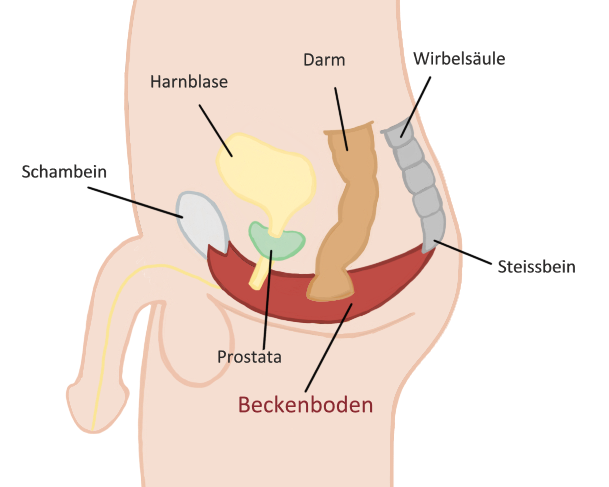
The abdominal cavity is bounded on all sides: Above by the diaphragm, in front by the abdominal muscles, behind the spine and below the pelvis provides bony support. In the back, the back muscles are critical; in the pelvis, the pelvic floor muscles are critical: both must absorb the load that was previously held by the abdominal muscles. Just like the back muscles, the muscles in the pelvic floor are important for the stability of the trunk and thus for posture, physical performance, breathing, digestion, continence and, last but not least, sexuality.
Positive effects: What are the benefits of pelvic floor training for men?
Pelvic floor training is the order of the day for men who have problems with their continence and/or potency. Men suffer from urinary and faecal incontinence much less often in their younger years than women with their pregnancies, but they catch up strongly in old age. Then erectile dysfunction also becomes more frequent. Causes of such complaints are
neurological diseases such as Alzheimer’s, Parkinson’s and multiple sclerosis (MS), which disrupt the retention of stool and urine;
benign enlargement of the prostate, which mainly affects urinary continence and potency. Operations on the prostate, especially in the case of prostate cancer, further impair the functional capacity of the pelvic floor muscles.
The cross of men with the prostate
Male disease ben ignprostatic hyperplasia: Benign prostatic hyperplasia (BPH) affects urinary incontinence and sex life and, to make matters worse, can develop into prostate cancer. The numbers are staggering:
Prostate hyperplasia occurs in men over 60 with an incidence of 50-60 percent, beyond 70 with 80-90 percent.
Erectile dysfunction occurs in 52 percent of all men between the ages of 40 and 70, according to the U.S. MassachusettsMale Ageing Study (MMAS).
Potency problems in old age are confirmed by the European Male Ageing Study (EMAS), which found that 6-64 percent of men aged 40-79 struggle with it.
Why are prostate and pelvic floor muscles important for urinary control and potency?
Healthy pelvic floor muscles are essential forblood flow to the penis, which is the only way to build and maintain an erection. In addition, all the nerves to control erection and ejaculation run here. A trained pelvic floor therefore also means improved sensitivity, better control over the ejaculatory reflex and therefore more intensive, better and longer sex.
Again, the prostate is the weak point: the gland that produces the bulk of the sperm and brings the sperm to life surrounds the urethra. Prostate enlargement and prostate surgery ultimately lead to urinary incontinence. Surgery often exacerbates potency problems as well: The nerves supplying the penis run through the capsule of the prostate and are affected by the surgery.
How can the PelvicTool help men with incontinence and impotence?
The PelvicTool is also suitable for prevention and prophylaxis. Pelvic floor training provides improved blood circulation and control of the nerves running in the pelvic floor muscles – important for urine control and potency.
A practical side effect is that it also optimises posture. If the corresponding nerves remain intact after prostate surgery, in many cases their functionality can be at least partially restored with pelvic floor training. Improvement of erectile dysfunction and control over ejaculation improve sexual life, not least through increased self-confidence.
Yafi FA, Jenkins L, Albersen M, Corona G, Isidori AM, Goldfarb S, Maggi M, Nelson CJ, Parish S, Salonia A, Tan R, Mulhall JP, Hellstrom WJ. Erectile dysfunction . Nat Rev Dis Primers. 2016 Feb 4;2:16003. doi: 10.1038/nrdp.2016.3. PMID: 27188339; PMCID: PMC5027992.
Ng M, Baradhi KM. Benign Prostatic Hyperplasia . 2021 Aug 11. In: StatPearls [Internet]. Treasure Island (FL): StatPearls Publishing; 2021 Jan-. PMID: 32644346.
Have you discovered the PelvicTool at a fitness center, with your physiotherapist, urologist, or during a postnatal recovery course and would now like to test it comfortably at home? No problem! You can easily rent the PelvicTool from one of our Alonea distribution partners and try it out before deciding to purchase.
Important: Train your pelvic floor muscles regularly
“To achieve and maintain long-term improvement, pelvic floor training must be integrated into daily life permanently.” Susanne Egli, Physiotherapist, Medbase Winterthur, Brunngasse
If you are considering renting a pelvic floor trainer or purchasing one, it is important to know that the pelvic floor muscles – like any other muscle – must be trained continuously and regularly to achieve long-term results. The PelvicTool supports you optimally by enabling effective and comfortable training. You can easily track your progress via the app. The padded seat and soft sensor tube ensure pain-free training. Just as important: thanks to its ease of use, the PelvicTool can be effortlessly integrated into your daily routine. No changing clothes, no insertion – minimal time required. With just 5 minutes of training, 3 times per week, you can strengthen your pelvic floor muscles.
An investment in health and well-being that pays off – for the whole family!
Pelvic floor trainer rental in Switzerland: Parsenn Produkte AG
Parsenn Produkte AG offers customers two options: you can either rent the PelvicTool Home & Sport for an affordable monthly fee of only *CHF 55.00 (excl. VAT, plus shipping), or purchase the pelvic floor trainer directly via the company’s webshop. The rental offer is available exclusively to customers based in Switzerland.
*Prices subject to change. Please refer to the company’s website for current conditions:
Rental in Germany and Austria: Beckenboden-Gesundheit.com
The company Beckenboden-Gesundheit.com specializes in supporting and promoting awareness of pelvic floor health. They offer the Alonea PelvicTool for both purchase and rental. If you decide to purchase later, rental payments will be credited towards the purchase price. The rental offer is available exclusively to customers based in Germany and Austria.
For current conditions, please refer directly to the company’s website:
You are currently viewing a placeholder content from Instagram. To access the actual content, click the button below. Please note that doing so will share data with third-party providers.
You are currently viewing a placeholder content from Google Maps. To access the actual content, click the button below. Please note that doing so will share data with third-party providers.
You are currently viewing a placeholder content from Google Maps. To access the actual content, click the button below. Please note that doing so will share data with third-party providers.