


PelvicTool – Pelvic Floor Trainer for Bladder Weakness and Incontinence
We can’t promise miracles. But the fact is: a trained muscle is stronger than an untrained one.
When the pelvic floor gives out
It often begins with a few drops of urine leaking while laughing, sneezing, or coughing. In more advanced stages, urine may escape during almost any movement, without the person even feeling the urge to urinate.
Bladder weakness can also present as a sudden, strong, and/or very frequent urge to urinate. The psychological burden of urinary and fecal incontinence is significant.
Incontinence remains a taboo topic – yet urinary incontinence is a common condition in older adults, affecting both women and men.
But staying silent doesn’t help: taking action is key to regaining quality of life.
«The ability to control elimination depends on a healthy pelvic floor.»
What causes incontinence?
Incontinence can have many causes. Common risk factors include:
-
advancing age
-
being overweight
-
heavy physical work
-
congenital weakness in connective tissue
For women, pregnancy and especially vaginal childbirth place additional strain on the pelvic floor.
These factors can weaken or damage the pelvic floor muscles, which play a key role in the control of bladder and bowel function.
Although men are often affected later in life, by the age of 75, incontinence becomes just as common in men as in women.

pelvic floor woman

pelvic floor man
Incontinence means loss of control
What are the psychological effects of incontinence? Thoughts increasingly revolve around one central question: Will I reach the next toilet in time?
Wearing incontinence products like pads often leads to feelings of shame, frustration, and low mood.
As a result, social contacts, hobbies, everyday activities, physical movement, leisure pursuits, and even sexual intimacy may suffer.

How can incontinence be treated?
You are not alone, and there is hope. If you’re experiencing bladder or bowel control problems, you’re among millions of adults who face this common challenge. Many people over 50 deal with incontinence, yet too often suffer in silence.
Incontinence is not something you have to live with. While it may feel embarrassing to discuss, speaking with your doctor is the first step toward regaining control and improving your quality of life.
There are several types of incontinence, and effective treatments are available for each:
- Stress incontinence – leaking when you cough, sneeze, or lift something
- Urge incontinence – sudden, strong urges to urinate
- Mixed incontinence – a combination of both types
Pelvic floor therapy: a proven first step
One of the most effective treatments is pelvic floor physical therapy. This specialized therapy helps you:
- Learn proper techniques for daily activities like lifting and carrying
- Strengthen the muscles that support your bladder and bowel
- Practice exercises to improve muscle control and awareness
- Reduce strain on these important muscles.
Pelvic floor therapy is offered by trained therapists and is often tailored to your specific symptoms and needs. You can find qualified professionals through national physiotherapy associations.
Alongside guided therapy, many clinics and individuals now rely on supportive tools that make pelvic floor training easier to continue at home. One such device is the Alonea PelvicTool – a non-invasive, user-friendly training aid that is already in use by physiotherapists and pelvic health specialists.
PelvicTool – for awareness, control & strength of your pelvic floor
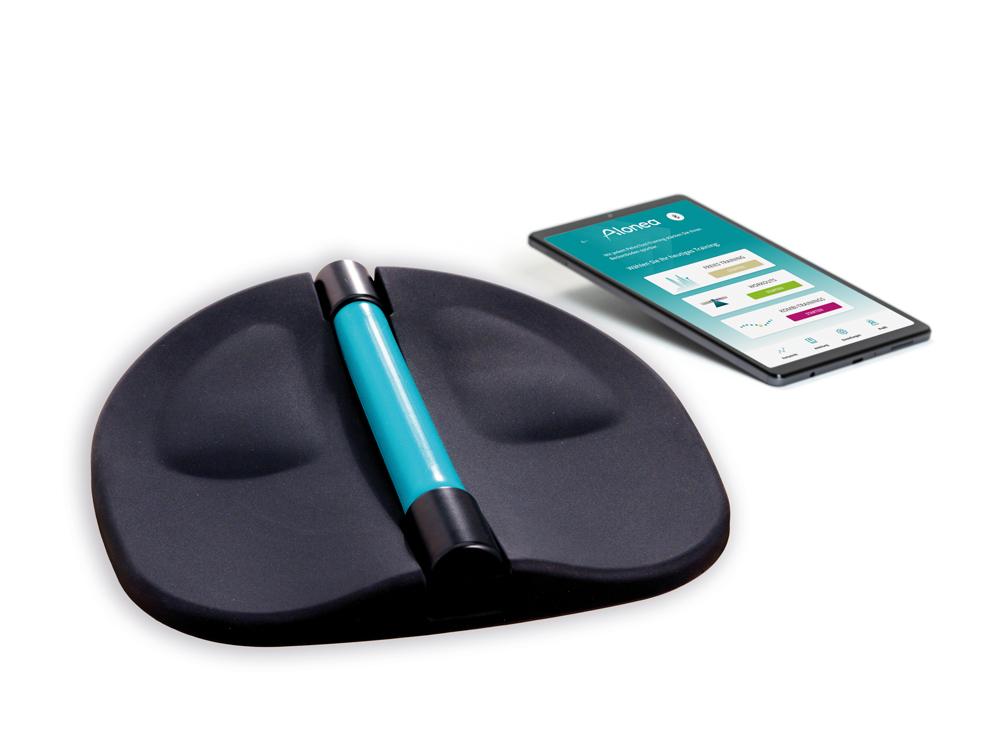
Simple and effective pelvic floor training.
Strengthen your pelvic floor gently and comfortably at home
Many people cannot feel their pelvic floor muscles and struggle to consciously control these important muscles. This is where biofeedback training with the PelvicTool by Alonea can make a real difference.
How does the PelvicTool work?
The device uses proven biofeedback technology to make your body’s responses visible through your smartphone or tablet. When performing the exercises, you may gain a better sense of how your pelvic floor is responding.
Simple and comfortable training:
- Sit comfortably on the soft sensor cushion wearing light clothing like leggings or sweatpants
- Maintain a straight, relaxed posture
- Select your desired training program in the PelvicTool app
- Learn to tense, hold, and relax your pelvic floor muscles with visual guidance

Studies and scientific evidence
Medical research agrees: regular and properly performed pelvic floor training can, in many cases, help alleviate issues such as bladder weakness, incontinence, erectile dysfunction, or prostate-related complaints.
The Alonea PelvicTool is recommended by healthcare professionals and widely used in physiotherapy practices to support the treatment of pelvic floor dysfunction.
Here you can find more information about studies on the effects of pelvic floor training.
Pelvic floor training: an investment in your health!
What makes the PelvicTool especially easy to use for people of all ages:
- Comfortable and non-invasive: Train fully clothed while sitting comfortably
- Real-time feedback: Even small muscle contractions are detected and displayed on your device
- Flexible training: You determine when, where, and how long to train
- Customizable settings: You can adjust exercise sequences to suit your individual needs
- Progress tracking: Visual feedback helps you see your improvement over time
To support and maintain pelvic floor strength, consistent training over time is important. The time commitment is minimal: just 5 minutes, 3 times a week, may help improve muscle function and contribute to bladder control.
The best part? Your investment in this pelvic floor trainer becomes even more worthwhile because this non-intimate training device can also be used by your partner. After all, everyone benefits from a well-trained pelvic floor!
FAQs
These posts might interest you:

Patient Experience with the Alonea PelvicTool: Pelvic Floor Training after Prostatectomy
After his prostatectomy, Heito Saladin was introduced to the PelvicTool during rehabilitation and describes how the visual biofeedback helped him feel more confident during pelvic floor training.

Therapist Review: PelvicTool in Pediatric Therapy
Physiotherapist Marie Baunach-Schicker explains how biofeedback training helps children develop conscious awareness of their pelvic floor muscles – even in cases of incontinence and hypotonia.

Urinary incontinence: bladder weakness what to do
What is urinary incontinence? How common is bladder weakness? What are the different forms of urinary incontinence? How can pelvic floor training help with urinary incontinence?
Stay up to date
Subscribe to our newsletter here and receive valuable tips for pelvic floor training. Free of charge and can be cancelled at any time.