Oct 18, 2024 | Uncategorized, Uncategorized
Pelvic floor training has proven to be extremely helpful for prostate problems. Behind the “man’s disease” is the proliferating prostate gland, which hinders urination and causes urinary incontinence. Surgery for prostatic hyperplasia or prostate cancer further aggravates the symptoms. A pelvic floor training device like the Alonea PelvicTool strengthens the pelvic floor muscles and often not only relieves incontinence, but also improves sex life and posture.
Men go through menopause too
As with women, men’s hormones ride a roller coaster as they age. The testicles are in the driver’s seat: Their intermediate cells produce fewer sex hormones from the age of 50. Decreasing testosterone levels are manifested by decreased sex drive and enlarged prostate gland.
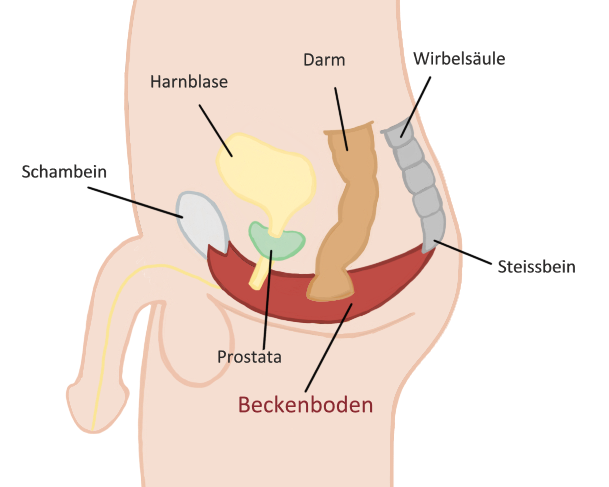
The prostate represents the largest part of the ejaculate. For this purpose, the walnut-sized organ located in the pelvic floor encloses the urethra, into which it releases its secretion and brings the sperm to life.
What is benign prostatic hyperplasia?
This proximity can become a problem in old age, because the prostate tissue grows hormone-dependent. Less testosterone in the blood makes it proliferate in many men, causing benign prostatic hyperplasia (BPH). The common “man’s disease” narrows the urethra and impairs urination. The first signs of BPH are a nocturnal urge to urinate with incomplete bladder emptying, and later urinary incontinence and urinary retention. Other typical complaints are erectile dysfunction and painful ejaculation with reduced ejaculate quantity.
What to do about benign prostate enlargement?
Man is reluctant to go to the doctor, because the subject is embarrassing to him? He should. The contact person is the urologist who also performs the prostate screening. Early detection is important because minimally invasive surgery is possible with early diagnosis. In transurethral resection of the prostate (TURP), the surgeon inserts an endoscope through the urethra and removes the excess tissue with a wire loop or laser.
How to treat prostate cancer?
Waiting can be fatal, because sometimes BPH becomes malignant and develops into prostate cancer. In the case of complete removal of the prostate (radical prostatectomy, RPE), the surgeon removes the prostate and local metastases from the pelvic floor. The operation is performed classically with an abdominal incision or minimally invasive via a laparoscope inserted through the abdominal wall.
What are the consequences of prostate surgery?
Problematic are interventions on the pelvic floor muscles, sphincter and urethra as well as the peeling or removal of the prostate capsule. The muscles in the pelvic floor hold the bladder and the urinary tract in place, the sphincter is necessary for urine control, and the nerves for erection and ejaculation run in the capsule. Therefore, urinary incontinence and impotence are the most common consequences of prostate surgery.
With urinary incontinence, there are not only problems with urination, but urine is passed involuntarily and/or it “dribbles” after going to the toilet up to continuous urine loss. Such symptoms significantly impair the quality of life, and many sufferers withdraw and avoid social contacts. This can be easily helped for most: A pelvic floor training device alleviates many complaints.
“After undergoing a nerve-sparing radical prostatectomy, I began pelvic floor training during my follow-up rehabilitation program. I found it difficult to activate my pelvic floor in order to engage the urinary sphincter.
In addition to the rehabilitation program, I was introduced to the PelvicTool by Alonea during the second week of my stay. I was enthusiastic about it from the very beginning. In a playful way, I was quickly able to become more aware of my pelvic floor and successfully train the sphincter.”
Former physical therapist and rehabilitation patient following prostatectomy
How might a pelvic floor exerciser help after prostate surgery?
The emptying of the bladder is controlled by the ring muscle at the bladder outlet and the
Pelvic floor muscles. The sphincter muscle opens the bladder, the muscles in the pelvic floor, together with the bladder muscles, push the urine out, and finally the muscle ring closes again. Unlike our skeletal muscles, the smooth muscles involved in this process are not normally subject to voluntary control. But it is possible: everyone does their first pelvic floor training as a baby – at some point, urinary incontinence is a thing of the past, and we go to the potty on our own without diapers.
The pelvic floor muscles can also be trained in a similar way by tensing and relaxing them. A great help here is a pelvic floor training device, with which such exercises can be done easily.
Recommended by physiotherapists: Alonea PelvicTool for pelvic floor training
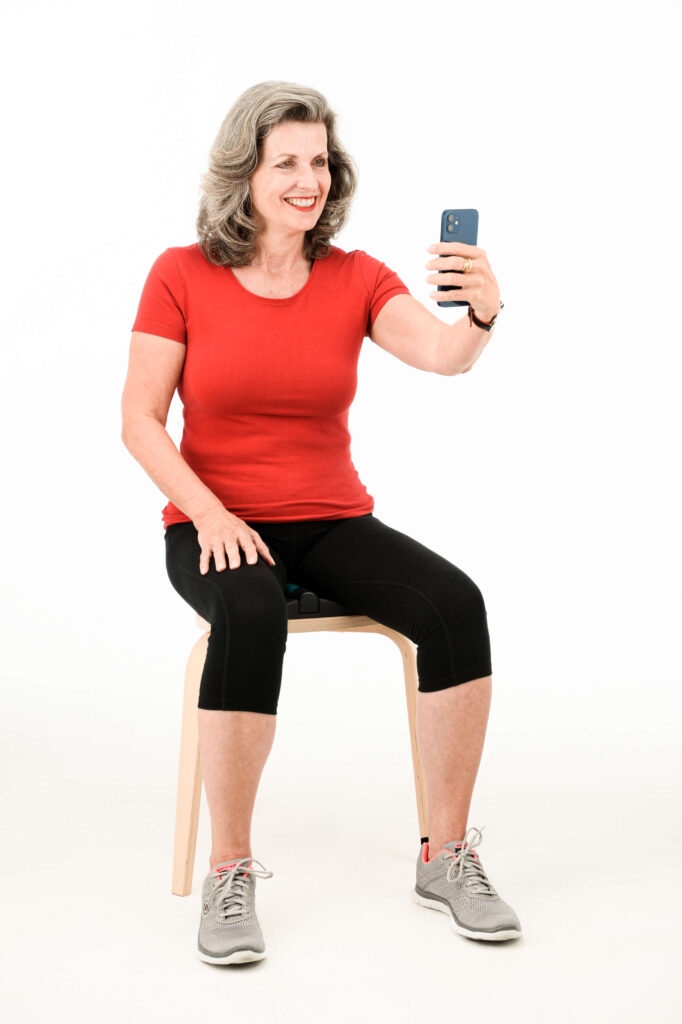
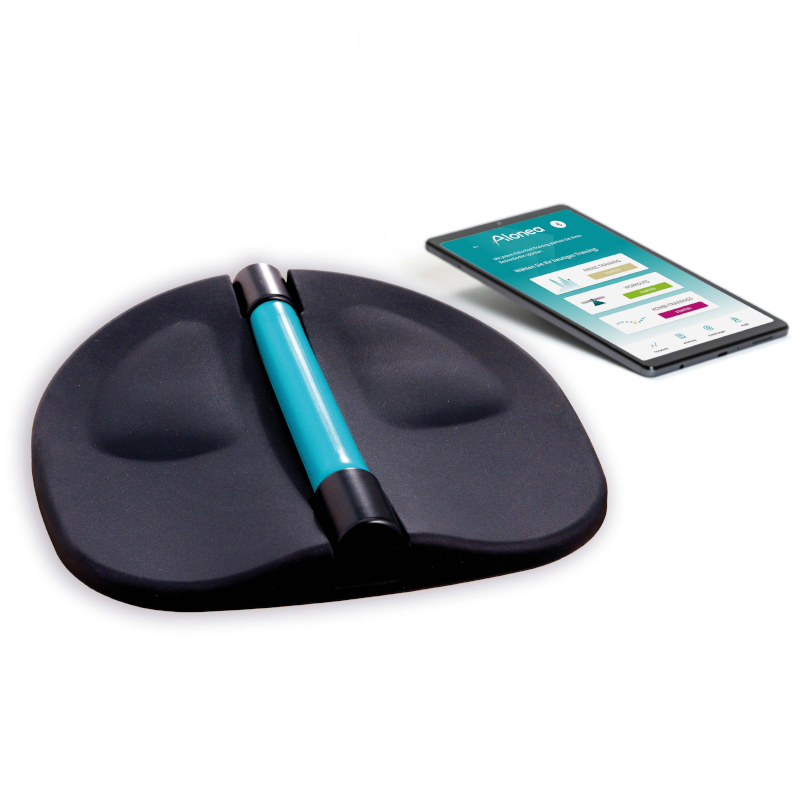
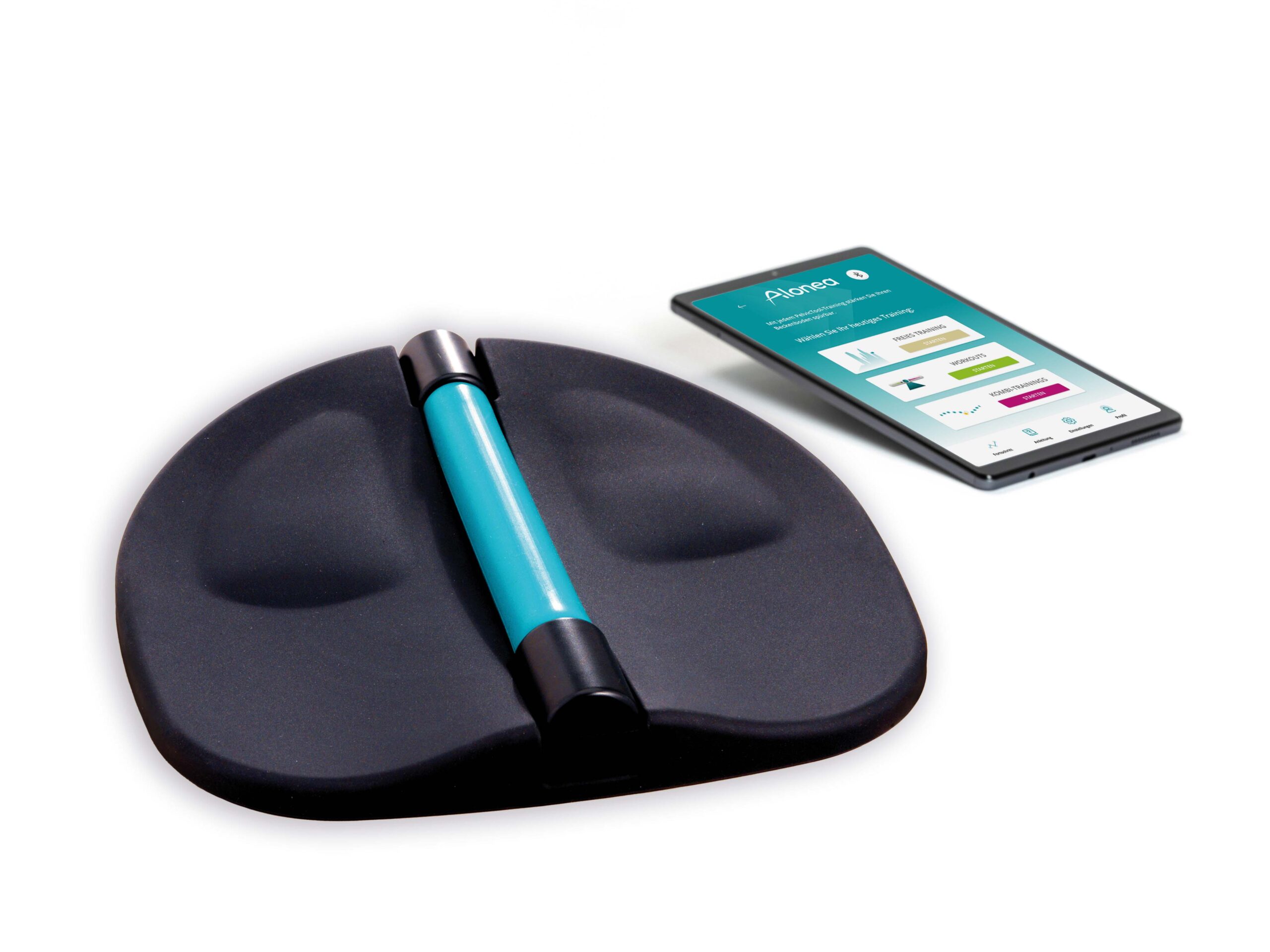
Pelvic floor training used to be reserved for rehab and physical therapy, but today anyone can do it at home. The PelvicTool by Alonea is intimate-free and very easy to use via app: Sit on the comfortable seat with normal sports clothes and complete your exercises according to the instructions.
The corresponding app visualizes contraction and relaxation of the pelvic floor muscles directly on your smartphone, so you can follow your training in real-time.
“Although I could no longer feel my pelvic floor muscles after a radical prostatectomy, I learned to control my pelvic floor muscles and alleviate my incontinence symptoms with the help of the PelvicTool. Seeing my progress in the app motivated me to keep going.”
“The Alonea PelvicTool makes pelvic floor training engaging and accessible, which is especially valuable for men. The visual biofeedback improves awareness, makes the topic easier to understand and helps break down barriers. Men are usually very motivated when training with it.”
Physiotherapist (BSc/FH) / Pelvic Health, Physiowerkstatt Näfels GL

May 24, 2023 | Uncategorized
The Physio Rehab has a team of eight physical therapists offering a wide range of therapies, including pelvic floor rehabilitation.
«Bladder conditions such as urinary incontinence and irritable bladder symptoms are among the most common women’s complaints,» says Physio-Rehab Managing Director Fiona Grunder. The complaints can be triggered even in younger women, for example by the birth of a child, but also by sporting activities. Often, the complaints only appear after menopause. According to statistics, around 40% of women, but also many men, are affected in the course of their lives.
Indications for pelvic floor rehabilitation
Pelvic floor therapy is indicated in the absence of awareness of the pelvic floor, stress or stress incontinence, lowering of the uterus or as preventive training after pregnancy. The pelvic floor muscles are weakened and their function is impaired. With targeted pelvic floor rehabilitation, complaints can often be treated successfully.
Medical aids in therapy
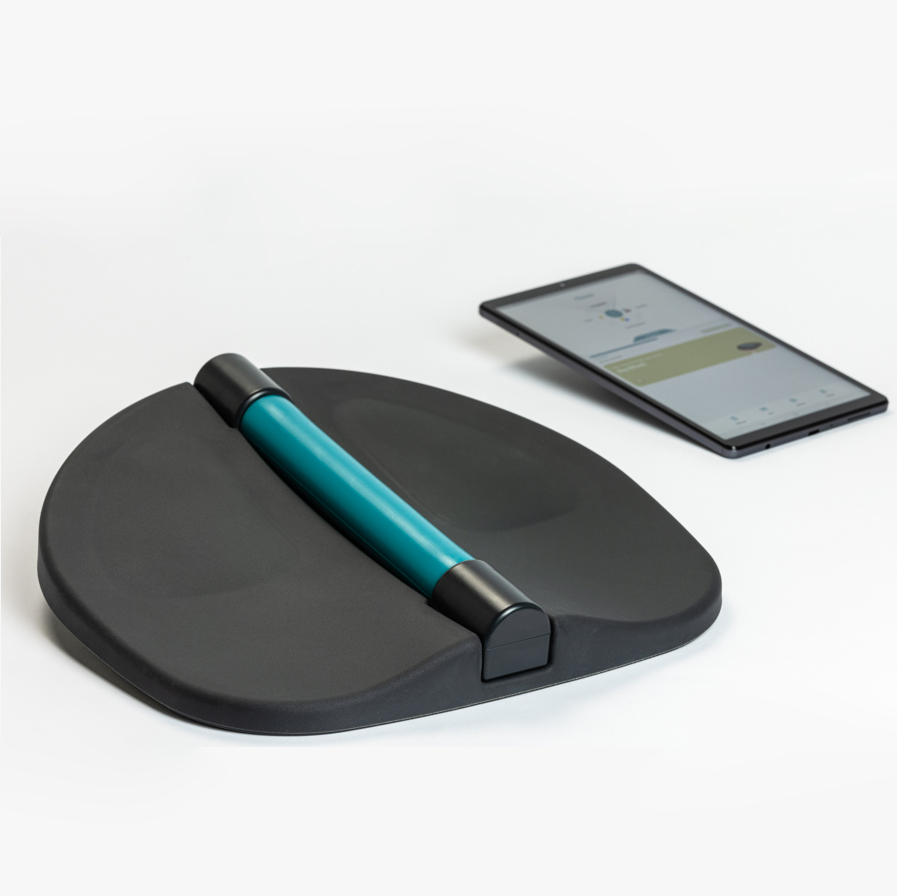
«We offer our patients a wide range of treatment options,” says Fiona Grunder. The therapy aids are specifically adapted to the needs of the patients. For some time now, pelvic floor rehabilitation at Physio Rehab has also included exercises with the PelvicTool Home & Sport. The PelvicTool is a digital pelvic floor trainer that can be used as a perception-enhancing tool and to strengthen the pelvic floor. Likewise, therapists can optimally use the device to monitor progress and thus objectify the progress of patients. The PelvicTool Home & Sport includes an anatomically shaped seat cushion with soft sensor tube for pain-free training as well as the PelvicTool app for monitoring training performance.
Patients respond very well to the device. It shows them immediately and directly whether and how well they can target the pelvic floor.»
«The display of the pelvic floor contractions on the tablet makes it easier for us therapists to control the training» mentions the managing director. Patients also find it pleasant that they can train clothed, in contrast to other incontinence therapy devices. Pelvic floor training with the PelvicTool is therefore a method of first choice for pelvic floor therapy.
The physiotherapist emphasizes: «Crucial for the success of the therapy is regular practice at home and behavioral changes in everyday life, for example relieving positions or a change in drinking behavior».
Pelvic floor therapy requires a doctor’s prescription from either the gynecologist or the family doctor. Fiona Grunder: «Patients often shy away from approaching their doctor about complaints and wait until the level of suffering is too high. That’s a shame, because with targeted pelvic floor therapy, the complaints can often be successfully alleviated or eliminated altogether.»
Physio Rehab Richterswil
Gartenstrasse 10
8805 Richterswil, Switzerland
Phone 044 784 95 70
www.physio-rehab.ch

Dec 15, 2021 | Uncategorized
Fecal incontinence is common, especially in old age, but no one likes to talk about it. It is estimated that 8 – 9 percent of the population suffers from faecal retention disorders. An essential element of stool control is the pelvic floor muscles, the functioning of which can be specifically improved with pelvic floor training. Pelvic floor training devices like the innovative one
PelvicTool
from Alonea are a great help.
What is fecal incontinence?
We are used to determining for ourselves when and where we pass our urine and stool. Stool retention or stool continence is a complex process in which
- Condition of the chair,
- Function of the rectum as a reservoir,
- surrounding pelvic floor muscles and
- their sensory and motor innervation
play an essential role.
Fecal incontinence is a disorder of retention – intestinal wind, fluid, mucus or stool leak from the anus, from a minor mishap when coughing to a complete loss of control. The consequence is a considerable impairment of the quality of life.
How common is fecal incontinence?
Taboo subject faecal incontinence: Studies assume a frequency of 8 – 9 percent, some even of up to 18 percent, with a clear increase with age. In the U.S., 30 percent of those affected are over the age of 65, 63 percent of whom are women and 37 percent of whom are men.
What are the causes of fecal incontinence?
Numerous factors can cause fecal incontinence:
- Damage to the sphincter
- Prolapse of the rectum
- Operations on the rectum and sphincter (intestinal fistulas, haemorrhoids)
- perineal laceration
- Chronic diarrhea
- Chronic inflammatory bowel diseases(Crohn’s disease, ulcerative colitis)
- Food intolerances (gluten allergy, lactose intolerance)
- Resection of parts of the intestine (colon cancer)
- Chronic constipation
- insufficient drinking
- “paradoxical defecation” with increased mucus formation
- Pelvic floor insufficiency
- Overload due to excess weight (obesity)
- Weakening due to prolapse of the uterus (uterine prolapse), prolapse of the intestine (rectocele) or prolapse of the bladder (cystocele)
- congenital malformations of the anus and rectum
- Nerve damage in the pelvic floor
- vaginal deliveries
- Herniated disc
- traumatic injuries (pelvic fracture)
- Neuropathies (diabetes, radiation, chemotherapy)
- Stroke
- multiple sclerosis
- Alzheimer’s disease and other forms of dementia
- radical tumor operations for cancer
What is the role of the pelvic floor muscles?
The pelvic floor consists of tendons, ligaments and pelvic floor muscles. It forms the rear closure of the abdominal cavity and closes the opening in the pelvic bone girdle. As an umbrella-like structure, it holds the adjacent organs in place. At the same time, the pelvic floor muscles are important for the function of the bowel and urogenital tract: emptying the rectum and urinary bladder, sex and childbirth.
Where the bowel, urethra and uterus break through the pelvic floor muscles are their natural weak points. Already as a baby we learn to control the emptying of the bladder and bowels. If there are problems with urinary or faecal incontinence in old age, this early pelvic floor training can be taken up again.
What can be done about fecal incontinence?
As a first important measure against fecal incontinence, most doctors recommend pelvic floor training with a pelvic floor training device. Many patients can be helped in this way without the need for treatment with medication or surgical intervention.
How does pelvic floor training help with bowel control?
Everyone knows where the biceps are or what well-trained abs look like, but hardly anyone knows about the pelvic floor muscles. The former can be trained in the gym, the pelvic floor with a special pelvic floor training device. It helps strengthen targeted muscles like the levator ani muscle, which are important for bowel control.
The advantages of the PelvicTool pelvic floor trainer
A modern app-controlled pelvic floor training device like the PelvicTool by Alonea makes the exercises much easier. Classic pelvic floor trainers were primarily intended for women, had to be inserted anally or vaginally and had no possibility of control. In contrast, the PelvicTool can be operated with a smartphone or tablet and is also suitable for men, as it is intimate-free.
You can sit on the pelvic floor training device with light training clothing and use it immediately. The neuromuscular control of the pelvic floor can be tracked on the screen – it couldn’t be easier! In physiotherapy it is no problem to perform the muscle training with several patients at the same time and at home the pelvic floor training can be done without any special effort.
Sources, links and further literature

May 20, 2021 | Uncategorized
You are attending the Swiss Midwifery Congress of May 24/25 and would like to get to know our PelvicTool Home & Sport, pelvic floor training device? We are looking forward to meeting you!
We would be happy to show you possible settings of the PelvicTool app, and the use of the pelvic floor trainer live on site.
About BeBo® Verlag & Training GmbH
With more than 25 years of experience, BeBo® is the leading provider of education and training for professionals in training and therapy who wish to further their education in the field of pelvic floor training. In addition, BeBo® offers a variety of pelvic floor courses as well as individual training and has a wide range of shops on the subject of the pelvic floor. More info…
Organiser of the Swiss Congress of Midwives:
Schweizerischer Hebammenverband SHV
Venue:
Forum Fribourg, Rte du Lac 12, 1763 Granges-Paccot
Here you will find information on the Swiss Congress of Midwives…

Jan 22, 2021 | Uncategorized
Free Web Seminars 2022
With more than 25 years of experience, the company BeBo® is the leading provider of training and further education in the field of pelvic floor and therapy. The BeBo trainers have been working successfully with the PelvicTool for years and, as professionals, will present the pelvic floor training device to you competently and sensitively.
Product training PelvicTool (in German language)
During the 45-minute online training, you will receive an introduction to the PelvicTool Home & Sport. The possible settings of the PelvicTool app and its use in therapy will be shown and explained to you in detail. Please note that the training will be held in German.
Dates
20.5.22, 18.00 – 18.45 pm
22.6.22, 14.00 – 14.45 pm
21.9.22, 18.00 – 18.45 pm
30.11.22, 14.00 – 14.45 pm
30.11.22, 19.00 – 19.45 pm
Exchange of experience PelvicTool (in German language)
You already own a PelvicTool and were able to gain initial experience?
Gain new inputs! Exchange experiences, possible applications and possible settings of the device. This exchange is free of charge. Please note that the discussion will be held in German.
Dates
22.6.22, 19.00 – 19.45 pm
21.9.22, 14.00 –14.45 pm
Registration takes place directly on the BeBo® website. To the registration….






 Simple and effective pelvic floor training.