



After a nerve-sparing prostatectomy, Heito Saladin experienced significant incontinence and uncertainty about how to activate his pelvic floor muscles.
During rehabilitation, he was introduced to the Alonea PelvicTool. In his personal experience report, he describes how visual biofeedback helped him become more aware of his pelvic floor, train more specifically, and find new motivation for daily practice.
How it all started
“In the spring of 2025, at the age of 65, I was diagnosed with early-stage prostate cancer.
After further medical evaluations, it became clear that the cancer required comprehensive treatment. Following detailed medical consultation and explanation, I decided to undergo a nerve-sparing radical prostatectomy.
The necessary surgery took place in early summer. Due to a complication during recovery, I had to keep the urinary catheter in place a little longer than normally planned.
After it was removed, I struggled with the problem of having no urinary control. True to the motto ‘when it flows, it flows,’ I felt 100% incontinent, like an uncontrolled flowing fountain, only working instantly in reverse: in at the top, out at the bottom.”
“After undergoing a nerve-sparing radical prostatectomy, I began pelvic floor training during my follow-up rehabilitation program. I found it difficult to activate my pelvic floor in order to engage the urinary sphincter.
In addition to the rehabilitation program, I was introduced to the PelvicTool by Alonea during the second week of my stay. I was enthusiastic about it from the very beginning. In a playful way, I was quickly able to become more aware of my pelvic floor and successfully train the sphincter.”
After the hospital and before rehabilitation
“After an application for follow-up rehabilitation had already been submitted while I was still in the acute care hospital, I received a message from the rehabilitation clinic fairly quickly informing me that I had been placed on their waiting list. This meant I had to bridge a period of about 12 weeks at home.
As someone who was ‘constantly leaking,’ I had the problem of uncontrolled urine loss 24 hours a day. As a result, whether at home or away from home, I carried a large shoulder bag with highly absorbent pads, seat protectors, washing supplies, and a change of clothes with me all day.
Because I dealt openly with my condition and the resulting incontinence, I was surprised to find that people were always willing to listen and help whenever I needed to change.
Since I myself was a trained physical therapist and had also cared for cancer patients for many years, I began my own ‘self-experiment’ with training my pelvic floor and urinary sphincter. I combined this with exercises for the entire lower trunk area, as well as the glutes and thighs.
The success was rather limited, because I had no feeling for HOW or WHERE I should train my pelvic region.”
At the rehabilitation clinic
“When the Parksanatorium rehabilitation clinic in Aulendorf, Upper Swabia offered me a place for my follow-up rehabilitation four weeks earlier than originally planned, I began my stay with mixed feelings.
At the beginning, I was assessed as having grade 4–5 incontinence on a scale of 5. Thanks to a comprehensive rehabilitation programme consisting of individual and group exercise sessions, equipment-based training, electrotherapy and hydrotherapy, nutritional counselling, lectures and discussions with doctors, psychologists and social services about the cause and progression of the condition, as well as future lifestyle and behavioural options, my days were more than fully occupied.
In addition, the group of patients who arrived at the same time and shared a table with me was very active. In the evenings, we went on walks together, visited museums and explored the area around the clinic and the town itself, including the spa gardens, castle, museums and surrounding countryside.”
During rehabilitation
“Starting in the second week, I slowly began to notice progress in rehabilitation. My incontinence level decreased to 4–3 out of 5. In addition to the existing rehabilitation program, I was given extra training on a pelvic floor training device.
However, I did not manage well with that device. My therapist then introduced me to a new pelvic floor training device the clinic had recently received: the Alonea PelvicTool. After a brief introduction and instruction, I was able to train with it on my own without any problems.
I was immediately enthusiastic about the device, because I increasingly learned how to specifically activate my pelvic floor and, with it, my urinary sphincter.
The motivation this gave me led me to complete a short training session with the PelvicTool first thing in the morning. Sometimes I also trained during the day or in the evening. In a playful way, I quickly learned to recognize whether training with the PelvicTool made sense at a given moment or not.
This was because my ability to activate my pelvic floor varied depending on the time of day and how I was feeling. As a result, I was able to make my pelvic floor training efficient and effective.
In the third week of my stay, my incontinence level decreased to 3–2 out of 5, which represented very good progress. By the time I was discharged in the fourth week of rehabilitation, including the extension week, I was moving toward an incontinence level of 3–2 out of 5, and occasionally 2–1 out of 5. This was also thanks to the targeted training made possible with the Alonea PelvicTool.”
Note:
“I was not the only one enthusiastic about the Alonea PelvicTool; other rehabilitation patients training with the pelvic floor trainer were enthusiastic as well. Because the PelvicTool also provided feedback on exercise scores and progress over time, it motivated a small group of fellow patients to hold a friendly evening training competition every other day. True to the motto: ‘Whoever can activate their pelvic floor best and fastest gets a drink from the clinic cafeteria paid for by the rest of the group.’”
After rehabilitation
“Immediately after rehabilitation—in the fall of 2025—I returned to my work as the quality manager responsible for several rehabilitation clinics owned by a large insurance company.
Everyday life quickly had me back in its grip. However, since then, I have consistently continued the home exercise program I learned and attend follow-up rehabilitation twice a week at an outpatient therapy center.
Despite my continued high level of motivation, I realized that I missed the targeted training with the Alonea PelvicTool. This prompted me to inform my employer and the rehabilitation center about the Alonea PelvicTool and to spark their interest in it.
With my employer, my aim was to suggest offering the PelvicTool as part of the company’s workplace health promotion program. At the same time, I wanted to encourage the rehabilitation center staff to consider including the device as a valuable complementary tool in their training program.

Helps you become aware of, control and strengthen your pelvic floor: PelvicTool
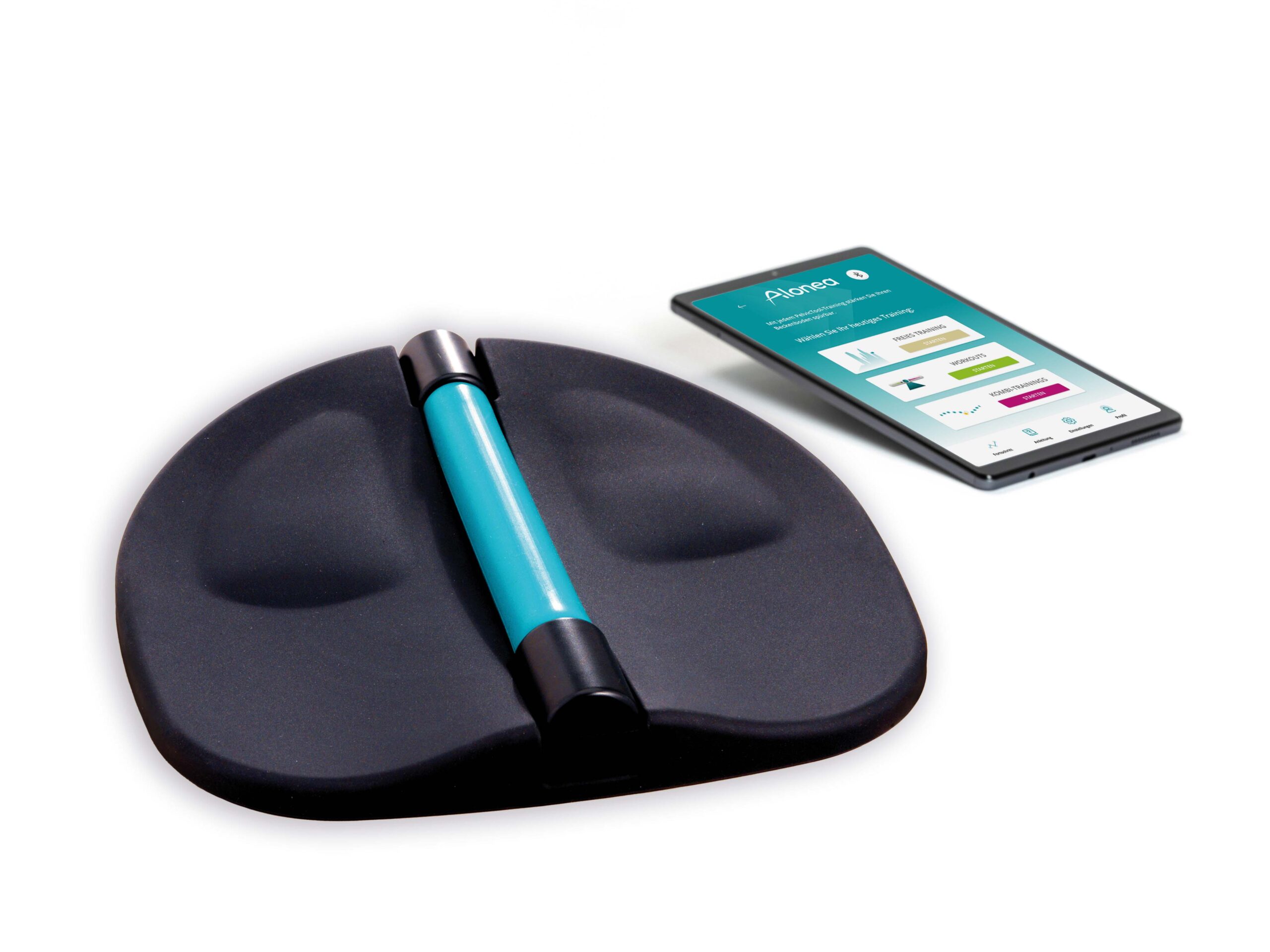 Simple and effective pelvic floor training.




Conclusion
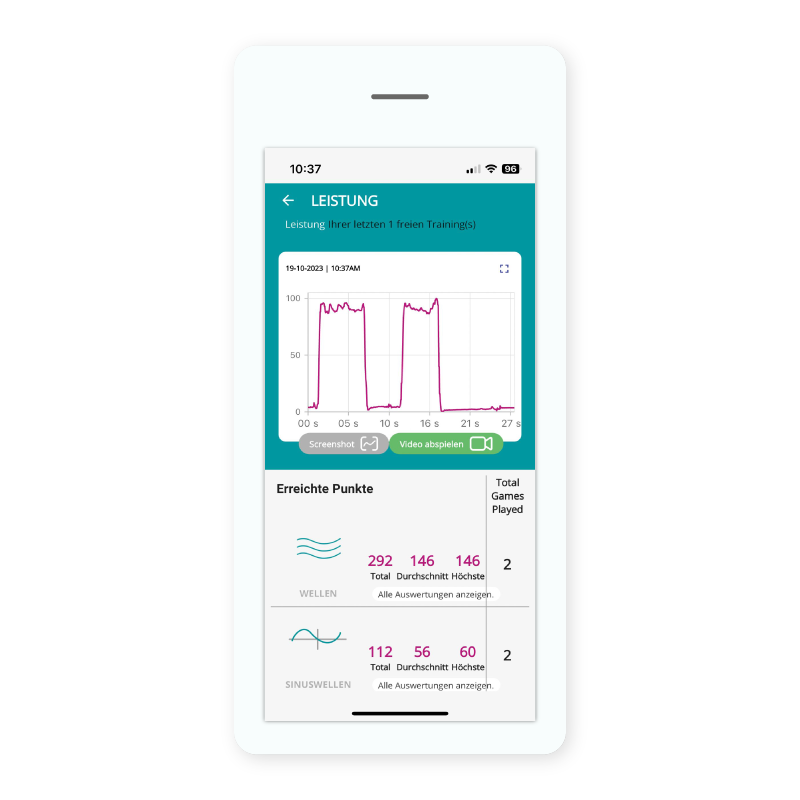
“The PelvicTool was a valuable addition to my rehabilitation. After receiving guidance from the therapists, I was able to practice with it independently and see directly whether I was activating my pelvic floor correctly. This feedback in particular motivated me and helped me become more aware of my pelvic floor and use it more specifically.
Today, I also have a PelvicTool at home. It allows me to complement the home exercise program I learned and continue supporting the progress I made during rehabilitation over the long term.”
Helpful links